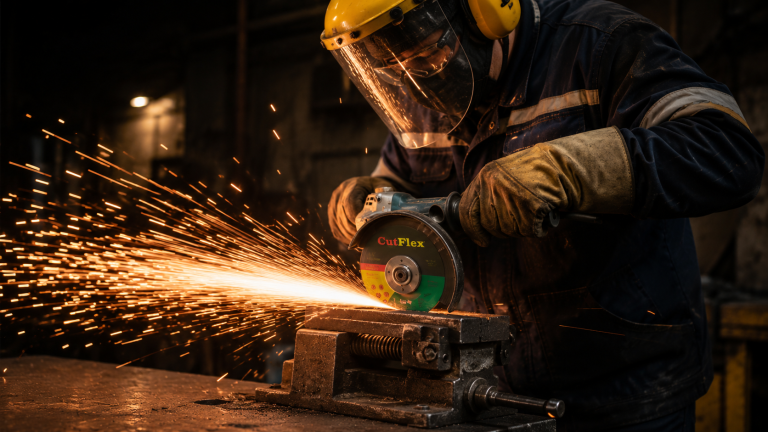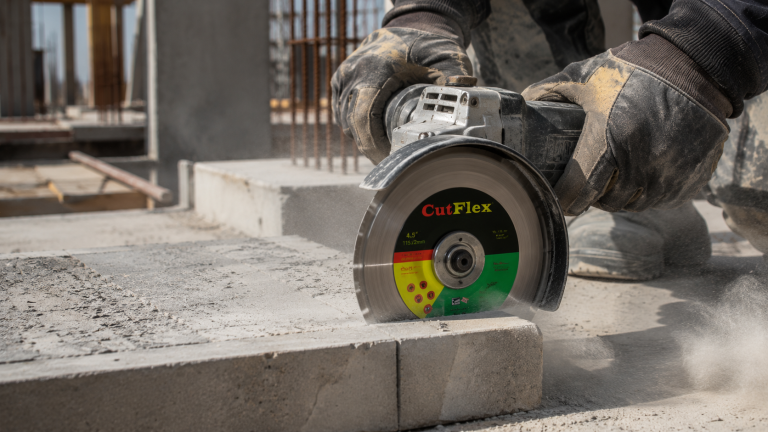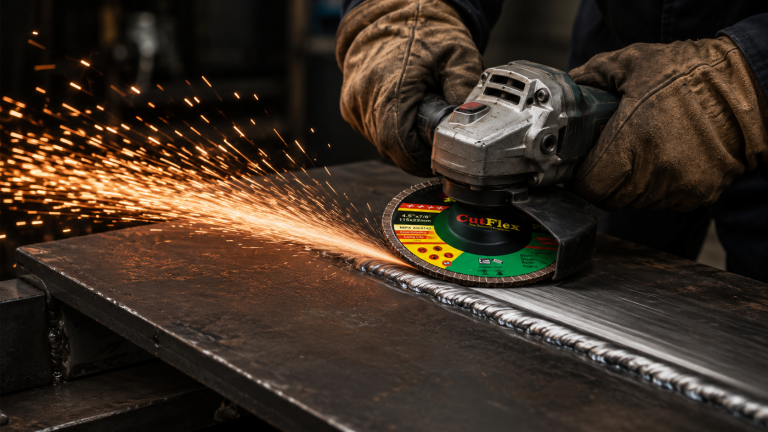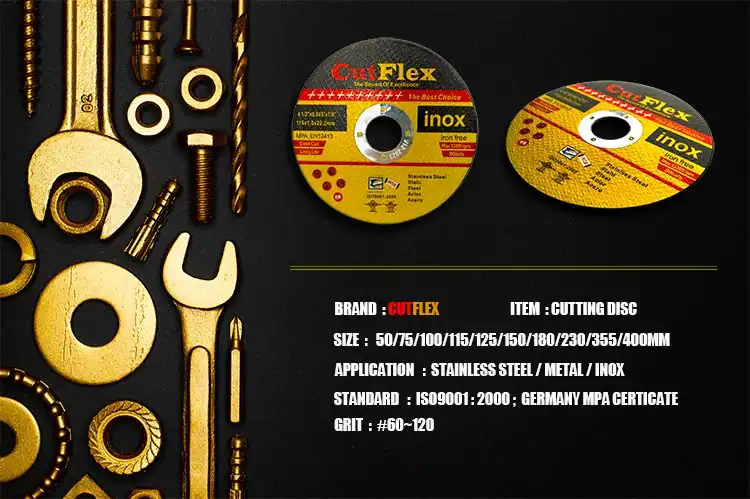
Whether you’re working in a fabrication workshop, on a construction site, or carrying out maintenance in an industrial environment, a cutting disc is one of the most important consumables in your toolbox. Selecting the right disc can improve cutting speed, produce cleaner results, reduce downtime and help you work more safely.
With so many cutting discs available, it can be difficult to know which one is best for your application. The material you’re cutting, the size of your angle grinder and the type of work you’re doing all play an important role in choosing the correct disc.
In this guide, we’ll explain what cutting discs are, how they work, the different types available, how to choose the right one for your application, and the best practices for getting reliable results.
What Is a Cutting Disc?
A cutting disc is a thin abrasive wheel designed specifically for cutting through materials using an angle grinder or compatible cutting machine.
Unlike grinding discs, which are designed to remove material from a surface, cutting discs are engineered to make narrow, accurate cuts with minimal material removal. Their thin profile reduces friction, helping to produce faster cuts while placing less strain on the machine.
Cutting discs are commonly used across industries such as:
- Steel fabrication
- Construction
- Engineering
- Manufacturing
- Automotive repair
- Mining
- Agriculture
- General maintenance
Their versatility makes them an essential part of many professional workshops and job sites.
How Does a Cutting Disc Work?
A cutting disc works by using abrasive grains bonded together into a reinforced wheel. As the disc rotates at high speed, these abrasive particles gradually wear away the material being cut.
Rather than slicing like a saw blade, the disc removes small particles through abrasion. As the outer abrasive grains wear down, fresh grains become exposed, allowing the disc to continue cutting efficiently.
For this reason, cutting discs should always be used in a straight cutting motion. They are not designed to be used for grinding or applying sideways pressure.
Common Materials That Can Be Cut
The correct cutting disc depends on the material you are working with.
Some common applications include:
Mild Steel
Used for structural steel, flat bar, angle iron and tubing.
Stainless Steel
Requires discs suitable for stainless steel applications to help achieve clean cuts while avoiding contamination.
Reinforcing Steel (Rebar)
Frequently cut during construction and civil engineering projects.
Aluminium
Certain discs are more suitable than others when cutting softer non-ferrous metals.
Concrete and Masonry
Specialised masonry cutting discs or diamond blades are generally used for concrete, brick, paving and stone.
Understanding your material before selecting a disc is one of the most important steps in achieving good performance.
Understanding Cutting Disc Sizes
Cutting discs are manufactured in several standard sizes.
115 mm
Ideal for smaller angle grinders and lighter cutting applications.
Common uses include:
- Thin steel
- Pipes
- Sheet metal
- Light fabrication
125 mm
One of the most popular sizes because it offers a balance between cutting depth and manoeuvrability.
Suitable for:
- Workshops
- Maintenance
- General steel fabrication
180 mm
Provides increased cutting depth for heavier applications.
Often used in:
- Structural steel
- Larger fabrication projects
230 mm
Designed for demanding industrial work requiring maximum cutting depth.
Common applications include:
- Heavy steel sections
- Construction projects
- Civil engineering work
Always ensure your cutting disc matches the specifications and maximum speed rating of your angle grinder.
Why Thickness Matters
The thickness of a cutting disc influences both cutting speed and durability.
Thin Cutting Discs
Thin discs generally provide:
- Faster cutting
- Reduced heat generation
- Less material waste
- Cleaner cutting performance
- Lower resistance during operation
These are often preferred when cutting sheet metal or stainless steel.
Thicker Cutting Discs
Thicker discs generally offer:
- Greater strength
- Improved durability
- Longer lifespan in demanding environments
- Better stability on heavier materials
They are commonly used where longevity is more important than maximum cutting speed.
Choosing the Right Cutting Disc
Before purchasing a cutting disc, ask yourself a few important questions.
What Material Am I Cutting?
Different materials require different abrasive formulations. Choosing the correct disc helps improve performance and reduce unnecessary wear.
What Size Grinder Am I Using?
Always use a disc that matches the grinder’s approved diameter and bore size.
Never install a larger disc than your machine is designed to accommodate.
How Often Will I Use It?
A professional workshop using cutting discs daily may benefit from premium products that provide greater consistency and a longer working life.
Occasional users may have different requirements depending on the frequency of use.
Am I Prioritising Speed or Longevity?
Some discs are designed for rapid cutting, while others focus on extended service life. Choosing the right balance depends on your application.
Common Applications
Cutting discs are used across a wide range of industries.
Examples include:
- Fabricating steel frames
- Cutting steel pipes
- Removing damaged metal sections
- Manufacturing equipment
- Vehicle repairs
- Building maintenance
- Site installation work
- General engineering
Their ability to produce accurate, efficient cuts makes them one of the most widely used abrasive products.
Safety Best Practices
Working safely is just as important as selecting the correct disc.
Before every job:
✔ Inspect the disc for visible damage.
✔ Check the expiry date if applicable.
✔ Ensure the grinder guard is fitted correctly.
✔ Wear approved eye protection.
✔ Wear hearing protection.
✔ Use suitable gloves.
✔ Secure the workpiece before cutting.
✔ Keep both hands on the grinder.
✔ Allow the grinder to reach full operating speed before contacting the material.
✔ Let the abrasive do the work without forcing the cut.
How to Extend the Life of a Cutting Disc
A few simple habits can help maximise performance.
- Select the correct disc for the material.
- Store discs in a clean, dry location.
- Avoid excessive pressure.
- Allow the disc to cut at its own pace.
- Keep your grinder well maintained.
- Replace damaged discs immediately.
- Use the correct operating speed.
These practices can improve efficiency while reducing unnecessary replacement costs.
Common Mistakes to Avoid
Even experienced operators occasionally make mistakes.
Some of the most common include:
Using the Wrong Disc
Different materials require different cutting solutions.
Twisting the Disc
Side pressure places unnecessary stress on the abrasive wheel.
Ignoring RPM Ratings
Always ensure the maximum speed rating of the disc meets or exceeds the grinder’s operating speed.
Cutting Without PPE
Protective equipment should always be worn.
Continuing with a Worn Disc
A heavily worn disc becomes less efficient and should be replaced when necessary.